 Metal Spinning
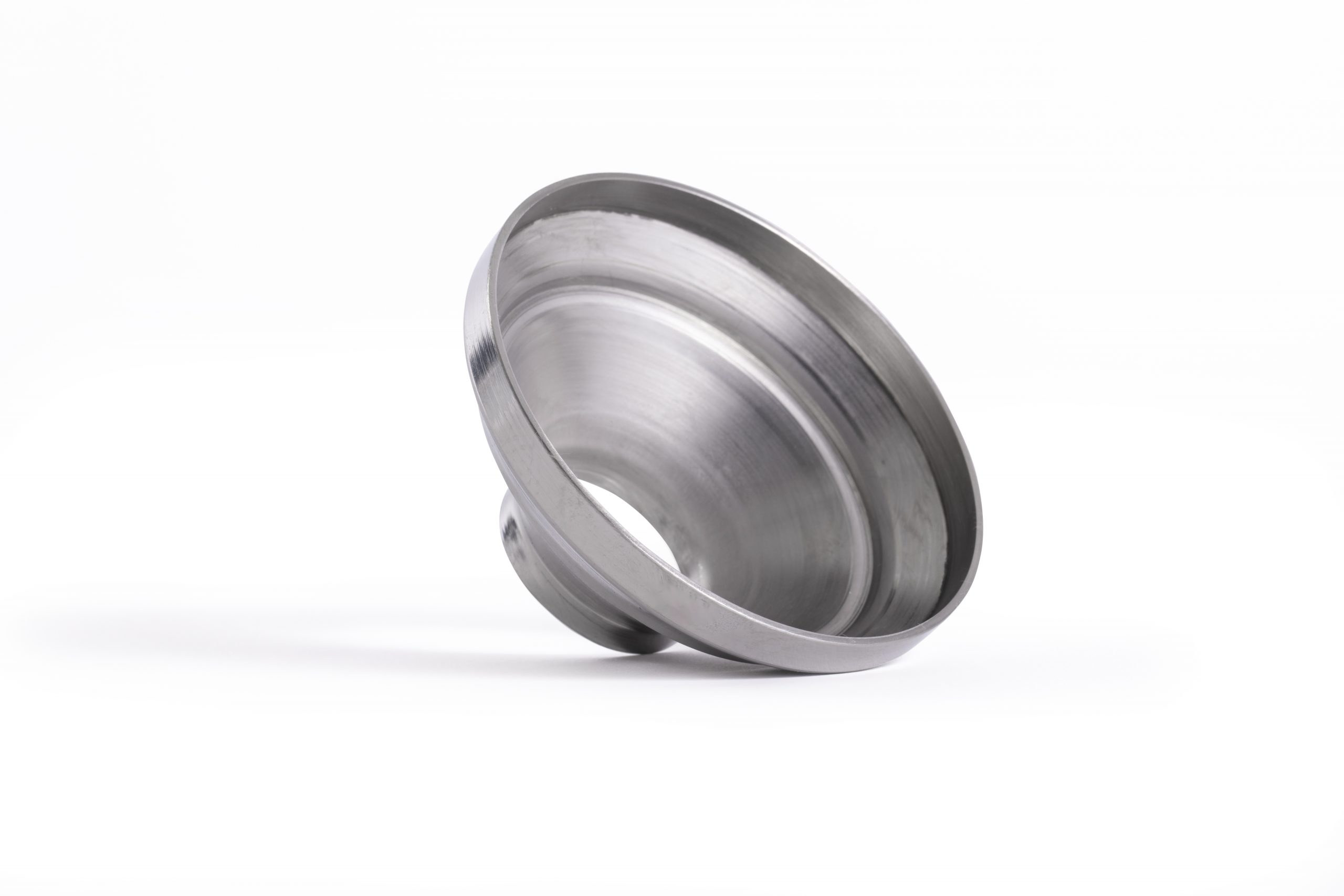 Bespoke Metal Spinning
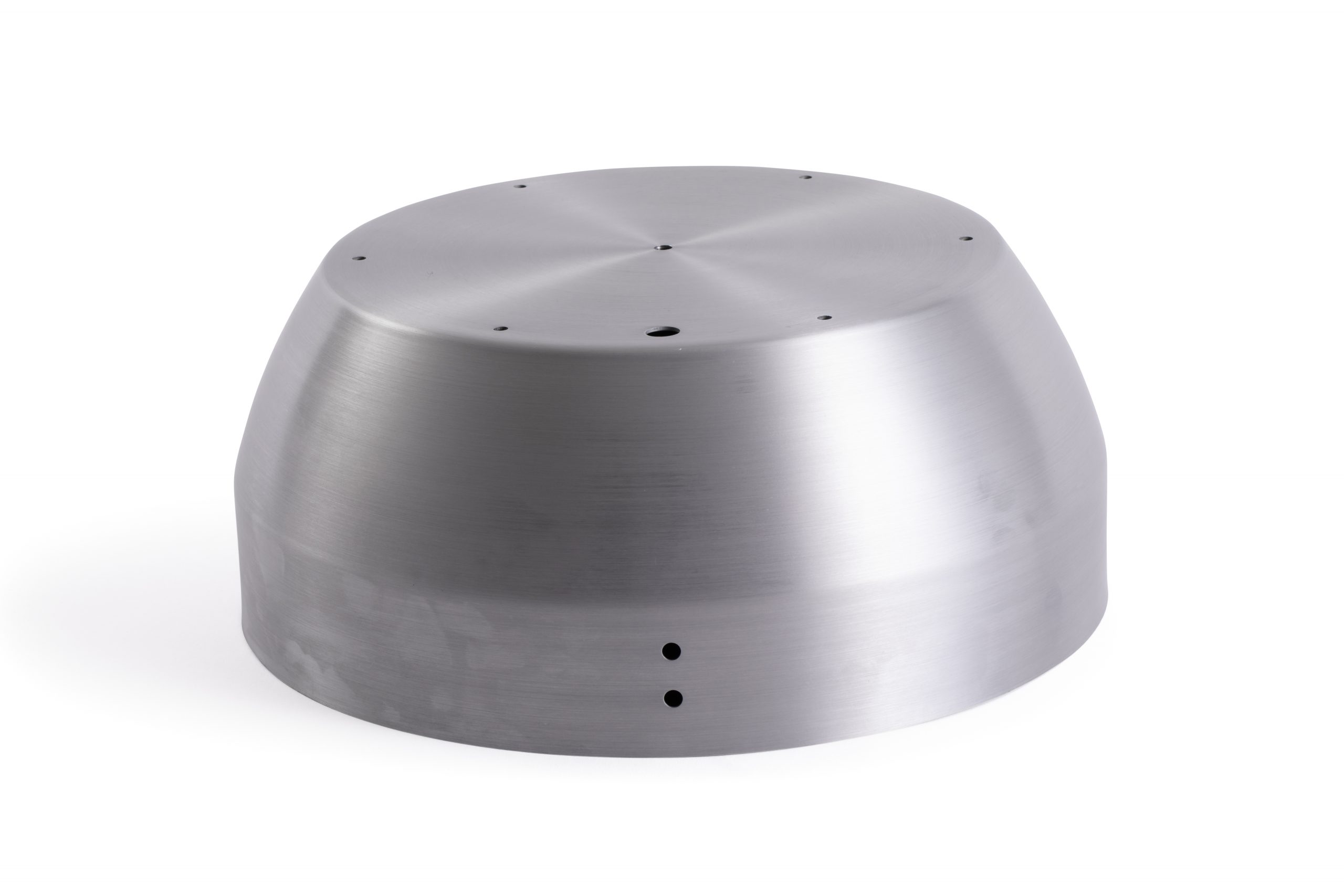 Metal Polishing
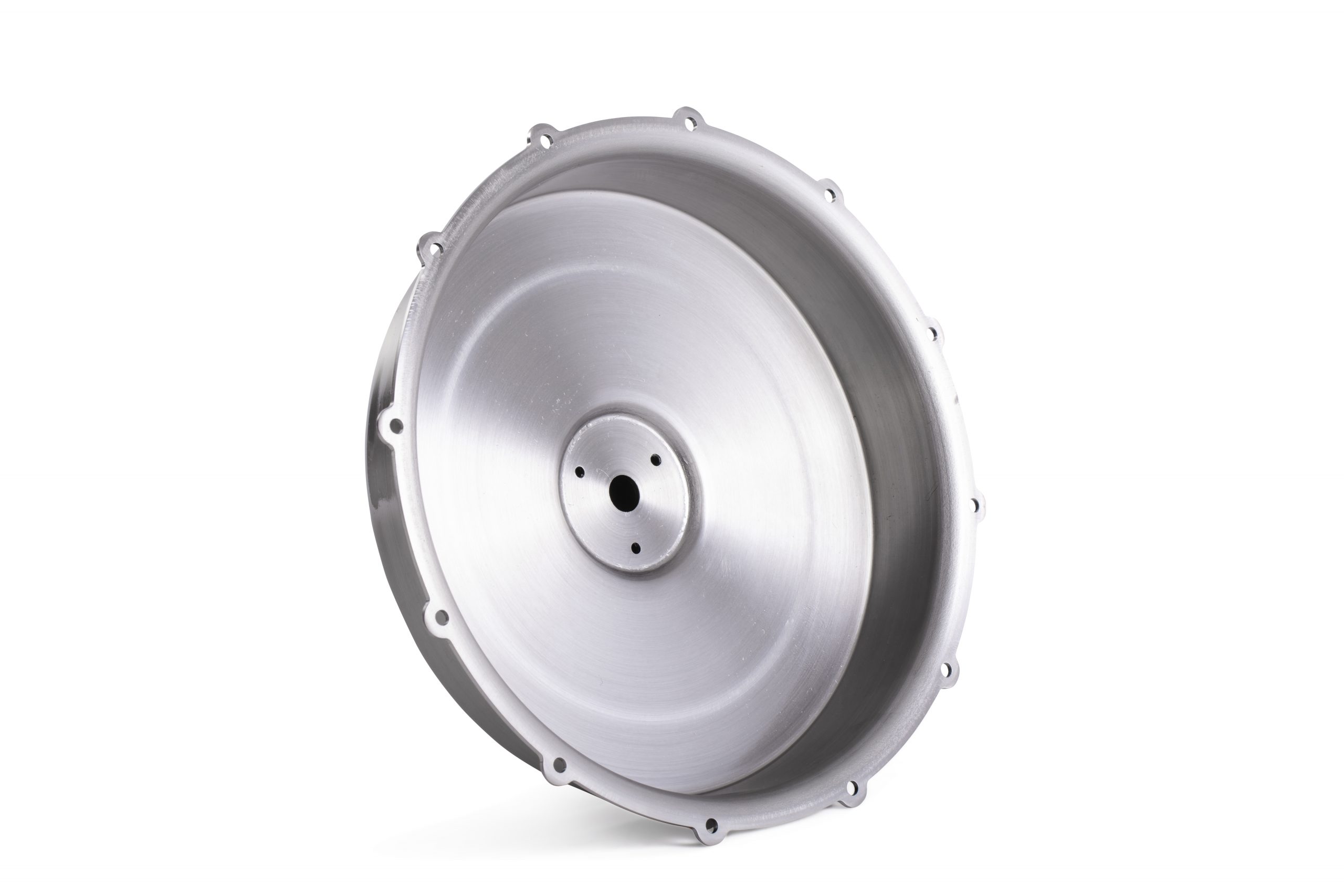 Machining
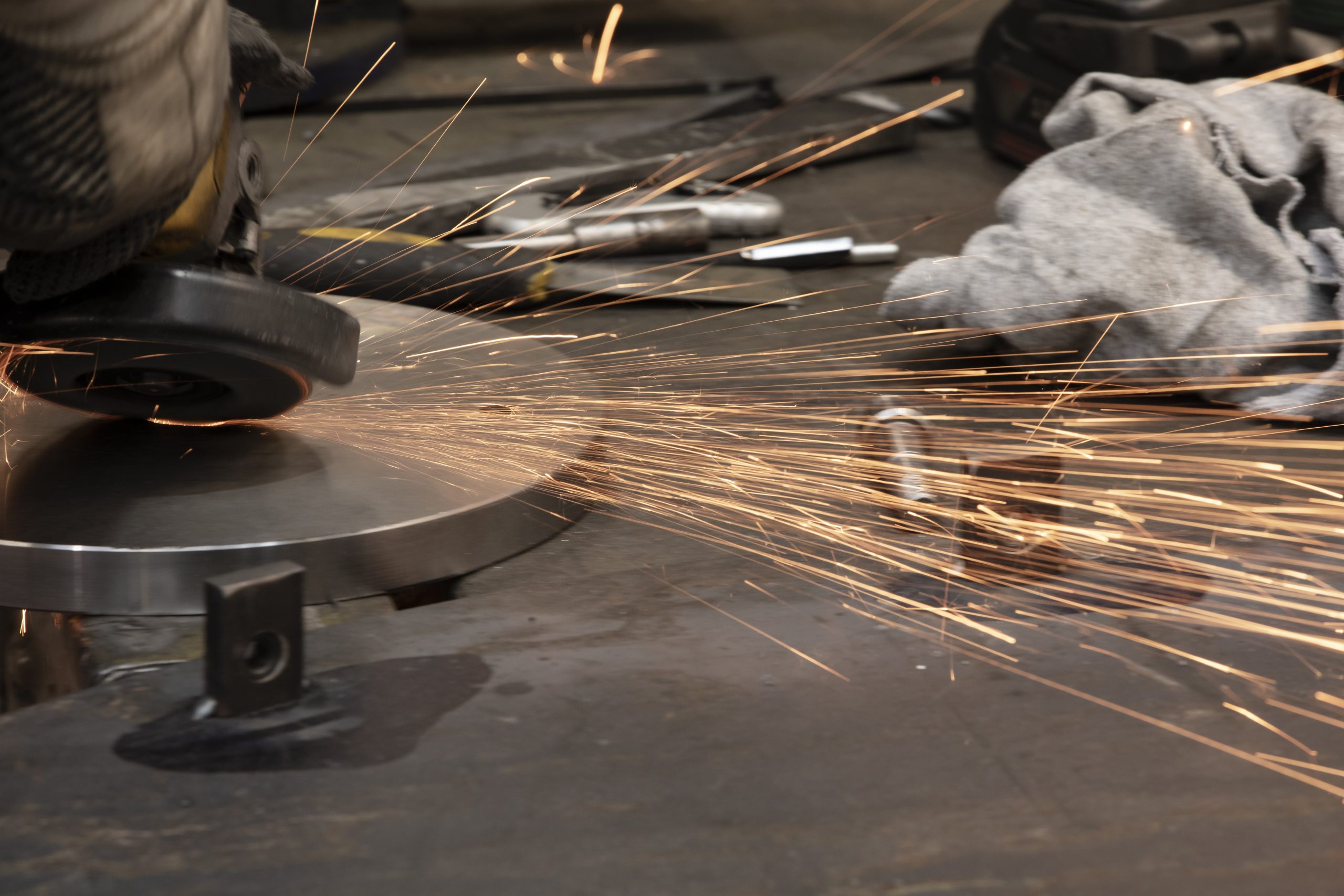 Metal Pressing
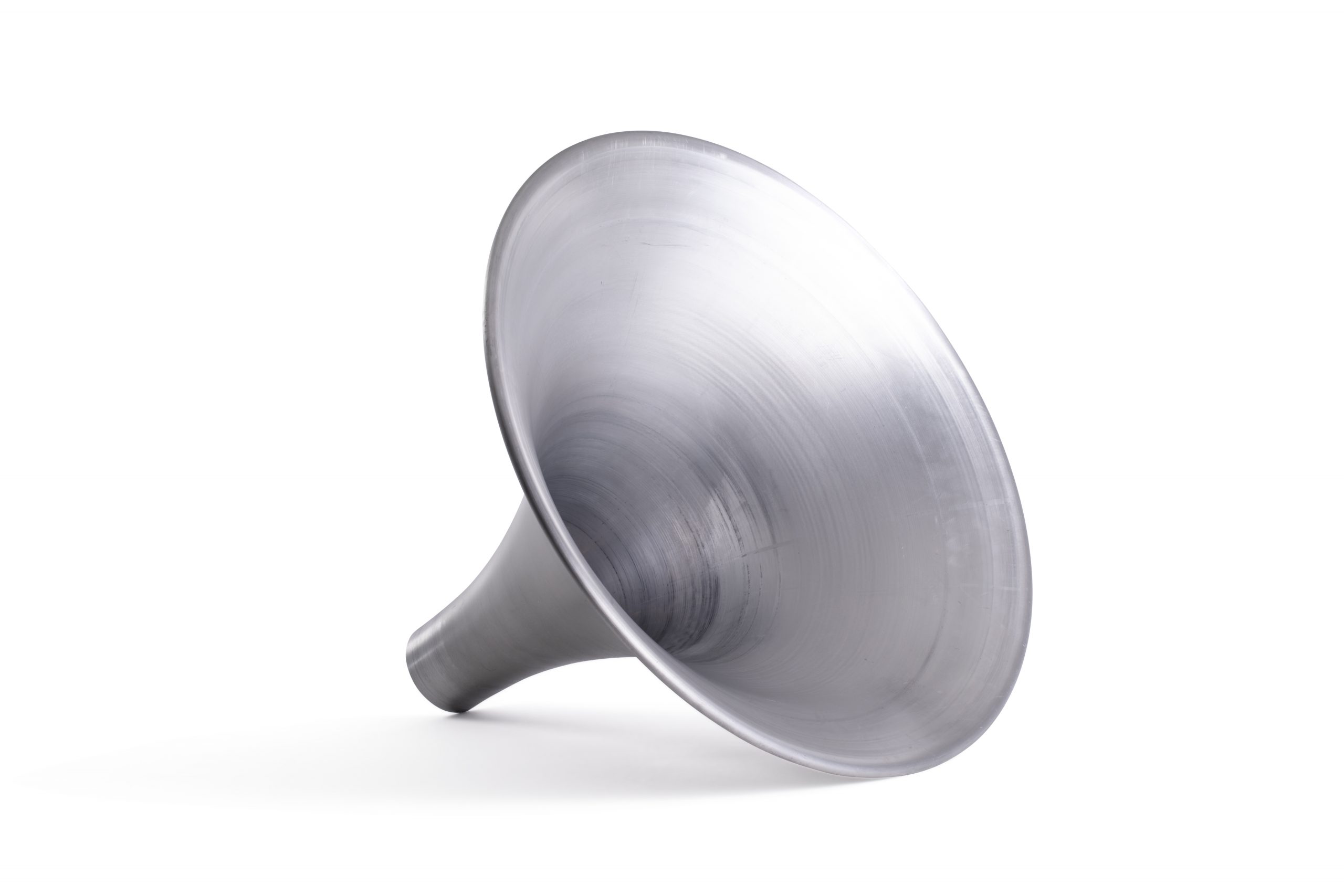 Metal Swaging
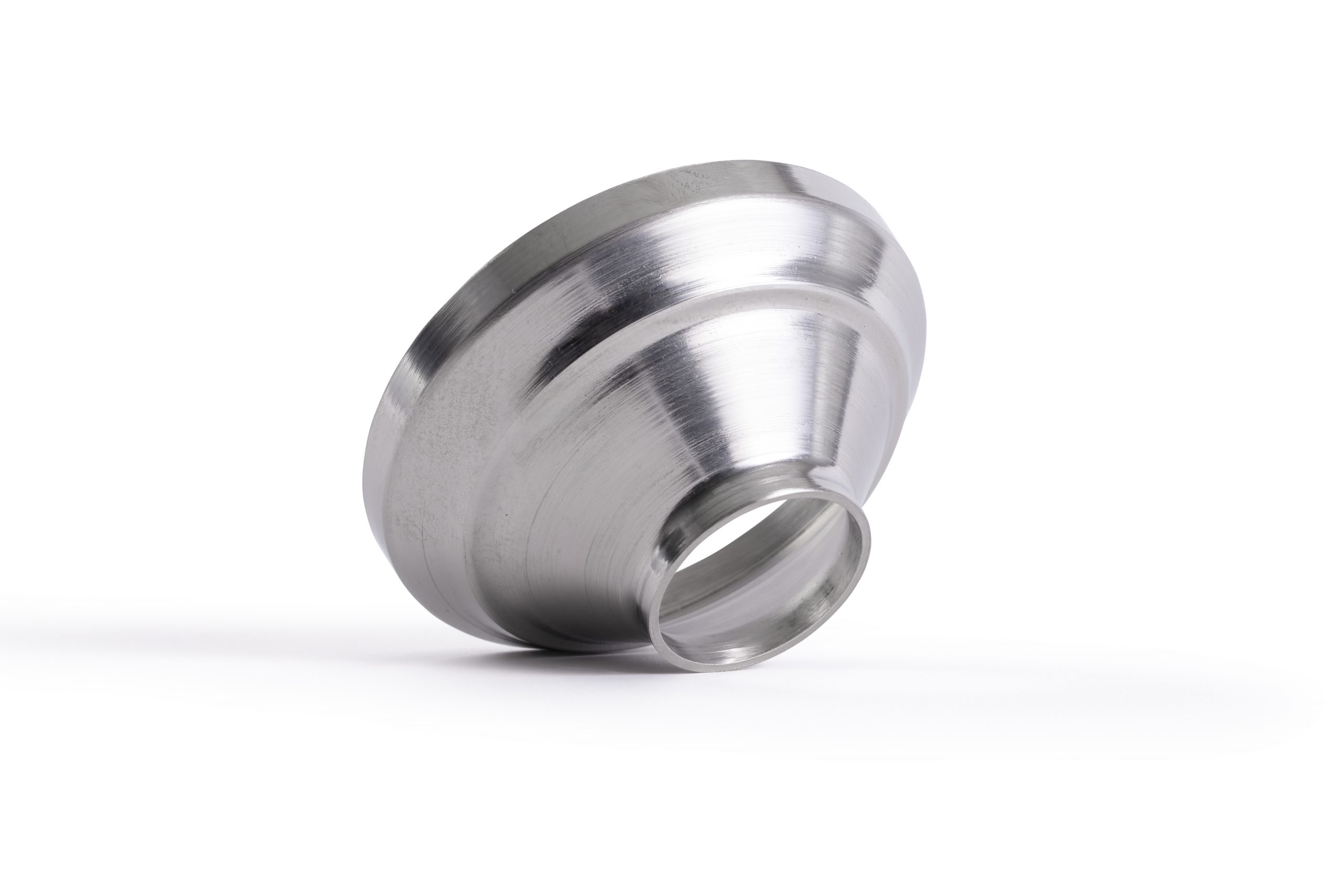 Metal Fabrication & Welding
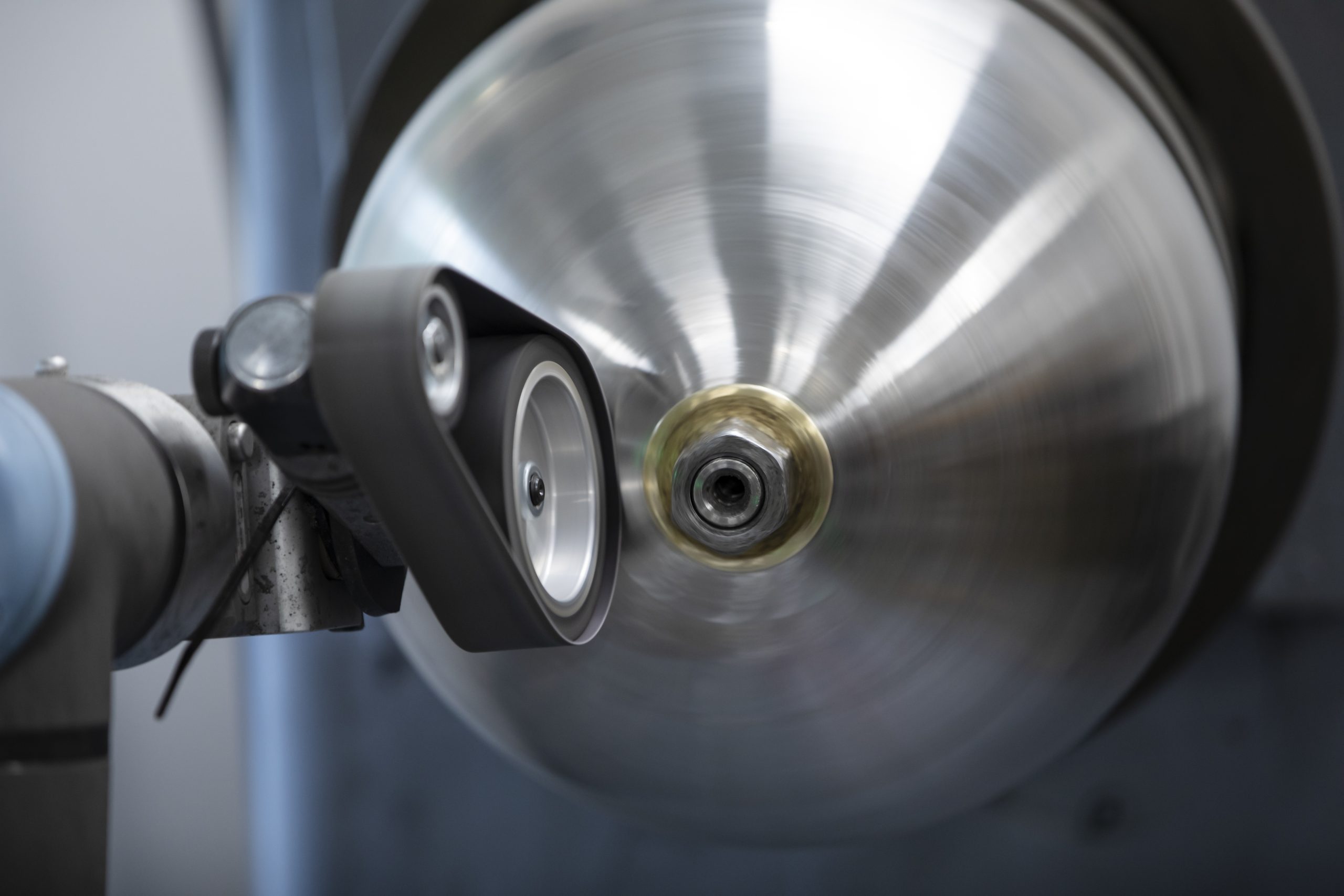 Precision Engineering
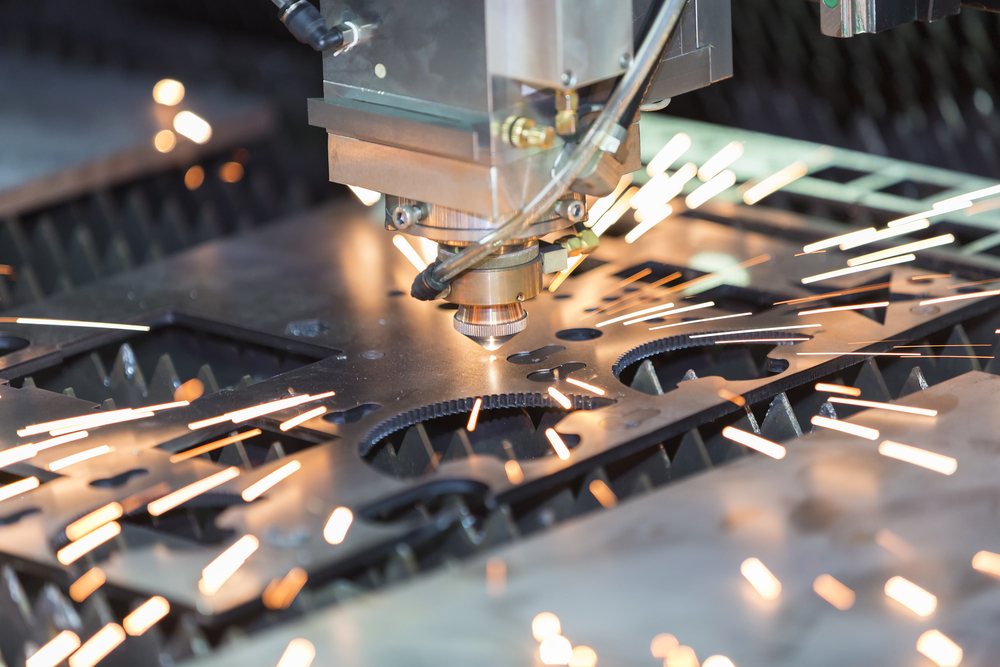 Laser Cutting
 Inspection and Quality
 Anodising, Electropolishing and Pickling & Passivating
 Agriculture
 Automotive
 Air Movement
 Food Industry
 Marine
 Medical and Cryogenic
 Playground
 Pressure Vessels
 Renewable Energy
 Safety
The Hidden Cost of Over-Specifying Tolerances on Spun Components
< Blogs < The Hidden Cost of Over-Specifying Tolerances on Spun Components
In the competitive world of UK manufacturing, metal spinning stands out as a versatile, cost-effective process for producing high-quality, axially symmetrical components. At Tanfield Metal Spinners, experts in metal spinning UK since 1984, we’ve seen countless projects where overly tight tolerances drive up costs dramatically without delivering proportional performance gains. This blog explores the hidden costs of over-specifying tolerances on spun components and offers practical advice for UK manufacturers seeking to optimise designs, reduce expenses, and maintain quality.
Located in Washington, Tyne and Wear, Tanfield Metal Spinners operates one of the largest tooling stocks in the UK from our 35,000 sq ft facility. We specialise in metal spinners UK solutions for sectors including agriculture, air movement, renewable energy, pressure vessels, food industry, and more. Our fully automated spinning lathes, combined with precision engineering services, and ISO 9001 accreditation, allow us to deliver consistent results while advising clients on realistic tolerance levels.
Understanding Tolerances in Metal Spinning
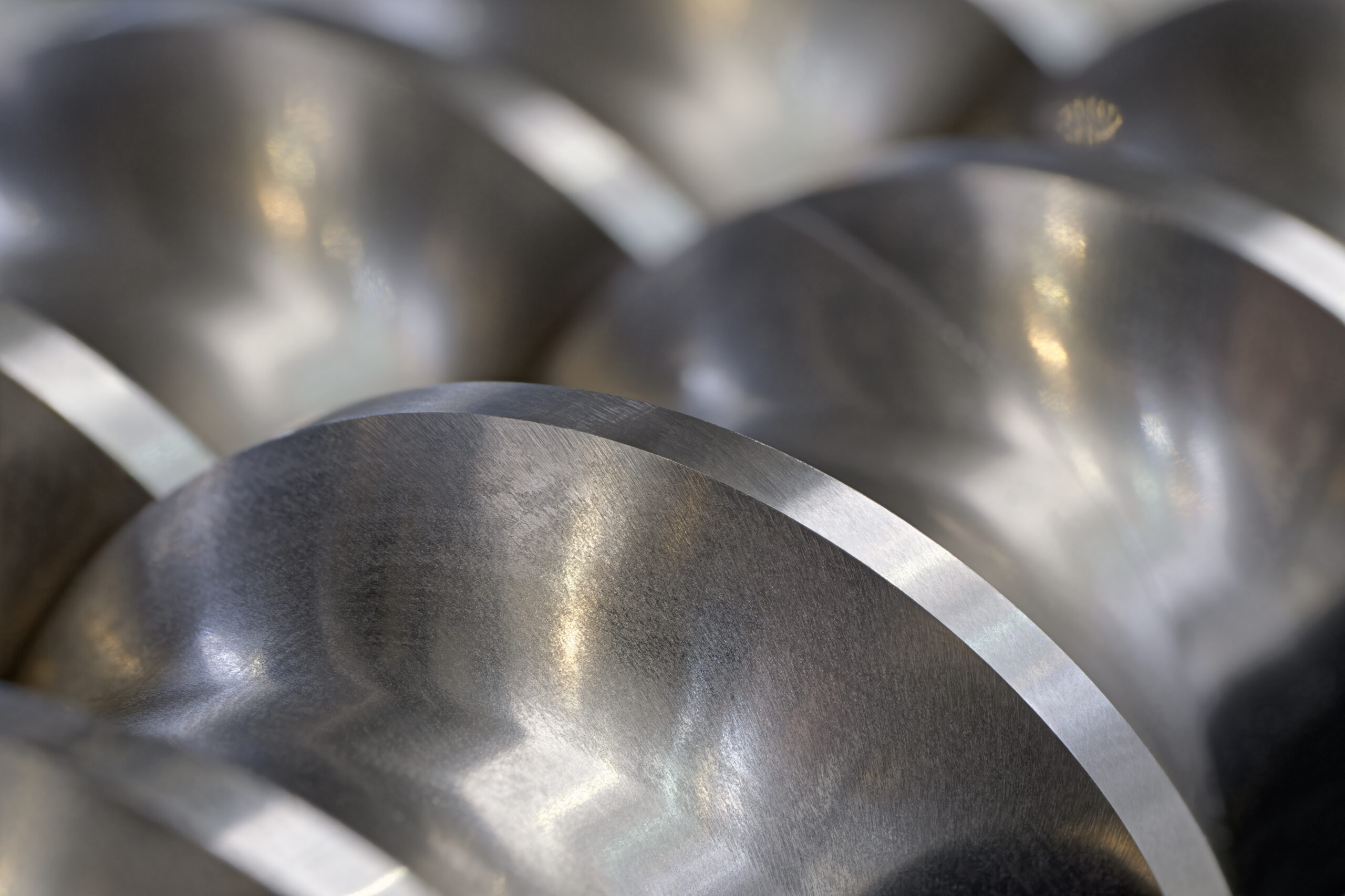
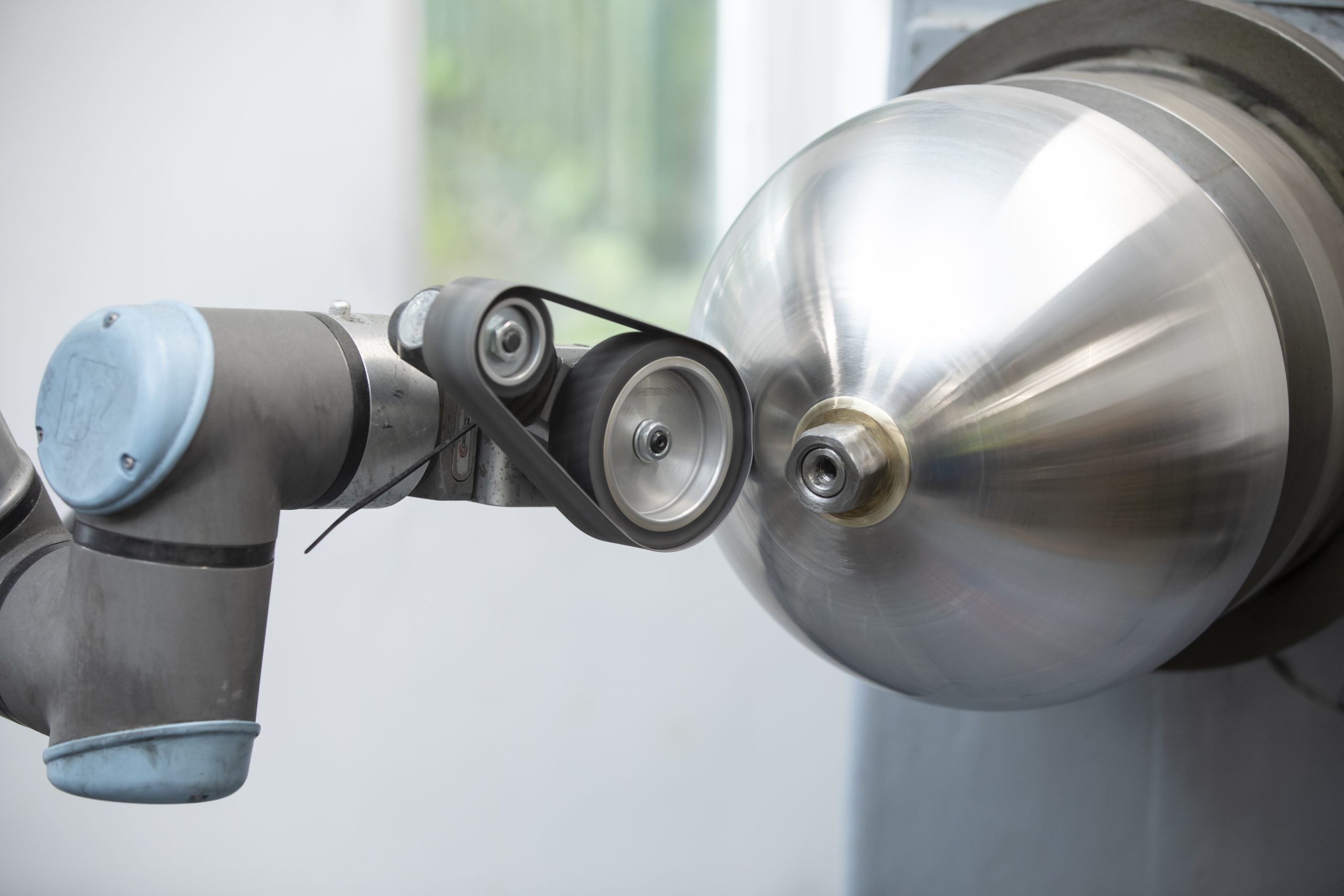
Tolerances define the acceptable deviation from nominal dimensions in a spun part. In metal spinning, the process involves rotating a metal blank (flat disk) on a lathe while rollers progressively form it over a mandrel. This creates seamless shapes like cones, dished ends, hemispheres, and cylinders.
Typical tolerances in metal spinning range from ±0.5mm to ±1mm or more for standard applications, depending on material, size, and complexity. Tighter tolerances (e.g., ±0.2mm or less) are possible but require additional controls. Over-specifying—demanding precision far beyond functional needs—is common, especially when engineers default to machining tolerances or copy specs from previous drawings.
Local UK manufacturers often specify tight tolerances expecting “better quality,” but this overlooks the unique characteristics of the spinning process. Material thinning, springback, and tool interaction introduce natural variability that skilled spinners like those at Tanfield manage effectively.
Discover our core metal spinning process and capabilities to see how we approach these challenges daily with advanced CNC and automation.
The Hidden Costs: Why Over-Tight Tolerances Hurt Your Bottom Line
Tight tolerances demand slower forming speeds, multiple passes, frequent adjustments, and skilled operator intervention. What might take minutes at standard tolerances can extend significantly, inflating labour and machine time. In high-volume runs for UK agricultural or air movement components, this compounds quickly, impacting overall project timelines and profitability.
Spinning involves material flow and thinning. Pushing for ultra-precise dimensions raises rejection risk due to minor variations in material properties or tool wear. Scrap metal waste adds direct material costs, while rework delays projects. Our inspection and quality processes, including AQL sampling and full traceability, minimise this, but over-specification forces more intensive inspection that can double or triple quality control time.
Standard tooling from our extensive UK stock keeps costs low. Bespoke or modified tools for extreme precision increase upfront investment. Frequent tool maintenance or replacement due to accelerated wear from tighter process windows adds ongoing expense, especially on larger runs.
To achieve tight tolerances after thinning, thicker starting blanks may be needed, raising raw material costs. Exotic alloys common in UK renewable energy or pressure vessel projects become even pricier under stringent specs, reducing the inherent material efficiency advantage of metal spinning.
Read our detailed guide on factors affecting the tolerance of metal spun parts for deeper insights into these variables, including material properties, tooling condition, and operator expertise.
Real-World Impacts for UK Industries
In chemical, food, or nuclear sectors, over-tight tolerances on hemispheres or tank heads can make assembly difficult without adding value to pressure integrity. Tanfield produces these up to large diameters with proven performance, helping clients achieve safe, reliable vessels without unnecessary expense.
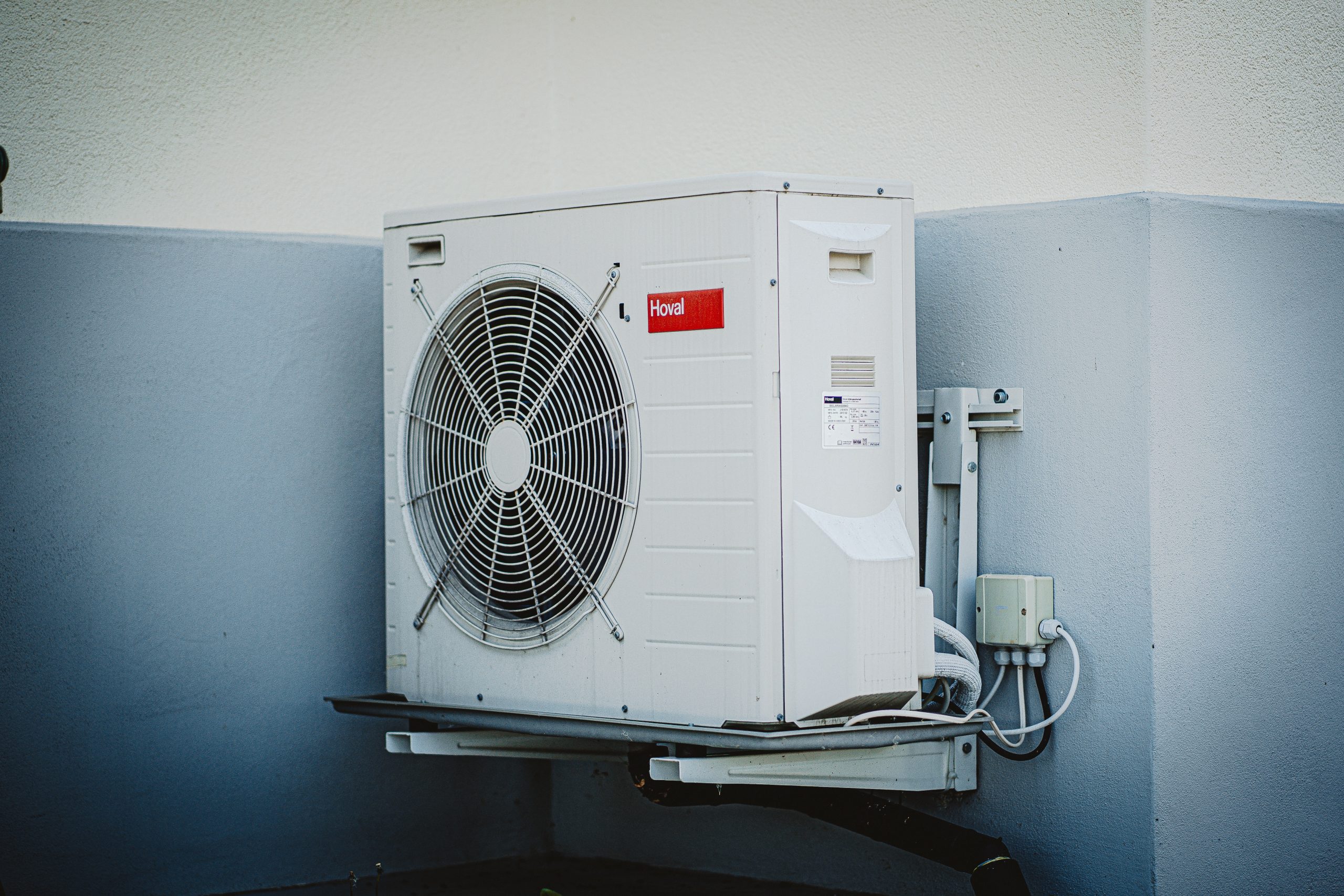
Fans, cowls, or venturi components benefit from good but not extreme precision for airflow. Over-specifying increases costs for UK manufacturers competing on efficiency and energy performance in HVAC and ventilation systems.
Cones, covers, or structural parts need durability over micron-level accuracy. Tight specs here often stem from habit rather than necessity, particularly in harsh outdoor or industrial environments.
A client once approached us with ±0.1mm tolerances on a large spun cone. After consultation, relaxing to functional levels cut costs by over 30% while maintaining performance and improving lead times. Similar stories repeat across agriculture, where equipment must withstand daily use, and air movement projects requiring balanced airflow without over-engineering.
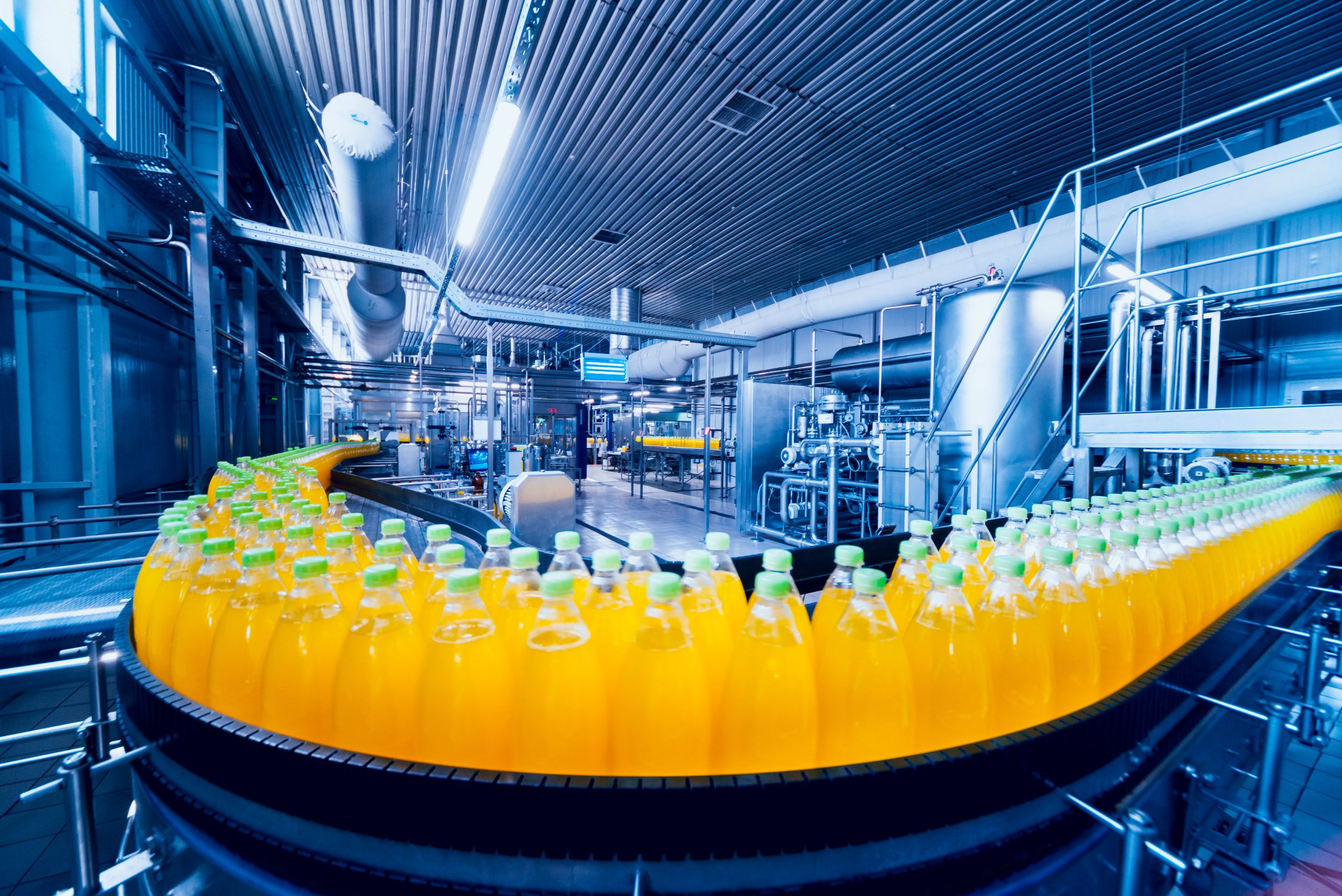
Learn about metal spinning for the food industry and how we help optimise specifications for hygiene-compliant, cost-effective components that meet strict regulatory demands while controlling production expenses.
Additional hidden costs include extended lead times that disrupt just-in-time manufacturing common in the UK supply chain. Tighter tolerances also limit design flexibility, making future modifications more expensive. In contrast, working with experienced metal spinners UK like Tanfield allows for iterative improvements without major cost penalties.
Environmental impacts are another consideration. Over-specification often leads to higher material usage and scrap rates, countering the sustainability benefits of metal spinning, which is already a low-waste process compared to machining or casting. UK manufacturers focused on net-zero goals can achieve better outcomes by aligning tolerances with actual functional requirements.
Best Practices: Specifying Tolerances Wisely
Collaborate early with your spinner. Tanfield offers free drawings and advice, no drawing? No problem. Discuss application needs with us for quotes often within 24-48 hours and recommendations on optimal specs tailored to your sector.
Generous radii, appropriate wall thickness, and symmetry aid spinning. Combine spinning with our in-house machining, pressing (up to 350 tons), or laser cutting for precision where truly critical, creating hybrid solutions that maximise value.
Validate with samples before full production to ensure the right balance between cost, quality, and performance. Consider statistical process control and realistic AQL levels rather than blanket tight tolerances across all features.
Benefits of Partnering with Expert UK Metal Spinners
Choosing Tanfield means accessing the largest UK tooling stock to minimise custom tooling costs, plus a full range of finishing and fabrication services under one roof. We provide reliable next-day delivery, full traceability, and flexibility from prototypes to high volumes across materials like stainless steel, aluminium, titanium, and more.
Review our inspection and quality standards that underpin every project and ensure compliance without excess burden.
Our experienced team is ready to review your designs and deliver high-quality spun components that support your business goals. With over four decades of expertise, we help UK manufacturers reduce total cost of ownership while maintaining the highest standards of British-made quality.
Visit our metal spinning services page to learn more or request a quote today.
Return to the homepage to explore all capabilities and get in touch with our experts.
By choosing practical tolerances and partnering with specialists, UK manufacturers can unlock significant savings, faster delivery, and more innovative designs. Contact Tanfield Metal Spinners to discuss your next project and discover how the right approach to tolerances can transform your bottom line.